Hornchurch Locksmith Service Team
Local locksmith team
7 Oct 2026 11 min read
If you look at the front door of almost any house in Hornchurch — on North Street, along Wingletye Lane, or tucked away in one of the quieter roads off the High Street — you will almost certainly see two locks. One is a small cylinder near the top of the door that you can slam shut behind you on the way out. The other sits much lower, usually dead centre in the door, and needs a key to both lock and unlock it. Most homeowners use both every day without ever thinking much about what is happening inside the door. That matters, though, because understanding these two locks is the first step to knowing whether your home is properly secured — and what to do when something goes wrong.
This guide explains what a mortice lock is, how a nightlatch works differently, why most UK insurers expect you to have both, and what it means in practice when one of them fails. It is written for homeowners and tenants in Hornchurch and the surrounding RM11 and RM12 areas who want straight answers rather than jargon.
## What Is a Mortice Lock, and Why Does It Sit Inside the Door?
A mortice lock is a lock that is fitted into a pocket — the mortice — cut directly into the edge of the door itself. Because the entire mechanism lives inside the timber, you cannot see it from outside; only the keyhole escutcheon and the small faceplate on the door edge give it away. When you turn the key, a solid steel bolt shoots out of the door edge and into a metal keep set into the door frame. That bolt does not spring back on its own — it stays put until you use the key again. This is what makes a mortice lock a true deadlock: once it is engaged, the door simply cannot be pushed or pulled open without the correct key.
The two most common versions in UK homes are the 2 lever mortice lock and the 5 lever mortice lock. The number refers to the levers inside the mechanism — small metal plates that must all be lifted to precisely the right height before the bolt will move. A 2 lever mortice lock is straightforward to operate but offers fairly basic security, and many insurers no longer consider it adequate for a front door. A 5 lever mortice lock is significantly harder to manipulate, and when it also carries the BS3621 kite mark, it meets the standard that most UK household insurers specify for external doors. If your insurer has asked you about the standard of your front door lock, the BS3621-rated 5 lever mortice deadlock is almost certainly what they have in mind.
## What Is a Nightlatch (and What People Mean by a Rim Lock or Yale Lock)
A nightlatch — often called a Yale lock, a rim lock, or a rim cylinder — is a completely different type of lock that sits on the surface of the door rather than inside it. The body of the lock is screwed onto the inside face of the door, and a small cylinder passes through the door to accept the key from outside. When the door closes, a spring-loaded latch drops automatically into a keep on the frame. That auto-latching action is exactly why you can pull the front door shut behind you without turning a key — handy on a rushed morning, but also the source of most domestic lockouts. Inside the flat or house, a thumb-turn or snib lets you hold the latch back or deadlock it overnight.
The question of what is a rim lock versus what is a rim cylinder is worth clearing up briefly. The rim lock is the whole assembly — the box mechanism on the inside of the door. The rim cylinder is just the barrel that accepts the key. When a locksmith talks about changing your Yale, they may mean only the cylinder (swapping the barrel so old keys no longer work) or the entire rim lock unit depending on what has worn out or been compromised. Because the nightlatch mechanism sits proud of the door surface, it is generally quicker to service or replace than a mortice lock, but its security relies almost entirely on the strength of the keep screws and the door frame around it.
## How the Two Locks Work Together — and What Happens When One Fails
The reason most UK front doors carry both a nightlatch and a mortice deadlock is that they cover each other's weaknesses. The nightlatch gives you convenience — the door locks itself the moment it closes. The 5 lever mortice deadlock gives you real security — a bolt that cannot be pushed back, sprung, or slipped with a credit card, and that meets insurance requirements. Together, the pair make forced entry genuinely difficult. Used alone, each has gaps: a nightlatch with a weak keep can sometimes be forced; a mortice lock left unengaged does nothing if someone puts their shoulder to the door.
Problems tend to arrive in predictable ways. Keys snap in the barrel of a mortice lock, usually because the lock is old and the key is worn — and if any fragment remains inside, neither you nor a spare key can budge it. Nightlatches fail when the spring inside the latch mechanism wears out, leaving the latch flopped down rather than springing shut. uPVC and composite doors add another layer: they use a multipoint locking system driven by a long gearbox inside the door, often with a euro cylinder that is vulnerable to a technique called cylinder snapping if it protrudes too far from the door face. If you are dealing with any of these situations in Hornchurch, our team is available around the clock — call 020 3757 6053 and a locksmith will be on the way, usually with you in about 30 minutes.
## Lock Change Hornchurch: When You Should Upgrade or Replace Rather Than Repair
There are moments when repair is the right answer and moments when door lock replacement Hornchurch homeowners need is a full upgrade. Repair makes sense when the lock mechanism itself is sound but something specific has failed — a worn spring, a broken key fragment, a stiff cylinder that just needs lubrication and adjustment. Replacement is the better call when the lock is old and repeatedly stiff, when you have moved into a property and do not know how many keys are in circulation, when a break-in attempt has damaged the door or frame, or when your insurer has told you that your current lock does not meet their requirements.
On uPVC and composite doors, upvc door lock repair Hornchurch is a common call-out for us — the gearbox inside the door wears with use, and the euro cylinder may need replacing with an anti-snap, TS007 3-star rated cylinder to close the snapping vulnerability. On older timber front doors, the most common upgrade is moving from a 2 lever mortice lock or a basic nightlatch to a BS3621-rated 5 lever mortice deadlock and a quality rim lock with a reinforced keep. When you call us, we will assess what is on your door, explain what is needed and why, and confirm an exact price before any work begins. The final quote depends on factors including the type of lock, the condition of the door and frame, and what parts are required — there are no surprises on the invoice.
## Locked Out Hornchurch: What to Do Right Now
If you are locked out in Hornchurch — standing on the doorstep at midnight with the nightlatch slammed shut behind you, or trying to get back in after a key broke in the mortice — here is the practical order of things to work through. First, check every other way into your home: a back door left on the latch, a window you know was not fully closed, a neighbour or family member who holds a spare key. If you share a building, check with the managing agent or a fellow tenant who may be able to let you into the communal entrance at least. Second, if none of those options exist, do not attempt anything that could damage the door or lock further — a damaged frame is significantly more expensive to put right than a straightforward lockout.
Once you decide you need a professional, that is where our 24 hour locksmith Hornchurch service comes in. We work around the clock, including evenings, weekends and bank holidays, covering Hornchurch and the wider RM11 and RM12 areas. As an emergency locksmith Hornchurch residents call when options run out, we will open the door using legitimate, non-destructive methods wherever the lock and door condition allow, and we will advise you honestly on the spot about whether the lock should be changed afterwards. Call 020 3757 6053 — we answer 24/7 and we will send a skilled locksmith straight away.
## A Quick Guide: Choosing the Right Lock for Your Front Door
If you are thinking about which lock is right for your door, a few straightforward rules of thumb will help. For a traditional timber front door, the combination of a BS3621-rated 5 lever mortice deadlock and a good quality nightlatch with a sturdy keep is the standard that insurers expect and that an experienced locksmith Hornchurch professional will typically recommend. For a uPVC or composite door, the multipoint lock does the heavy lifting, but the euro cylinder it uses should be an anti-snap, anti-pick, anti-drill model rated to TS007 3-star — anything less leaves the door exposed to a technique that takes only seconds with the right tool.
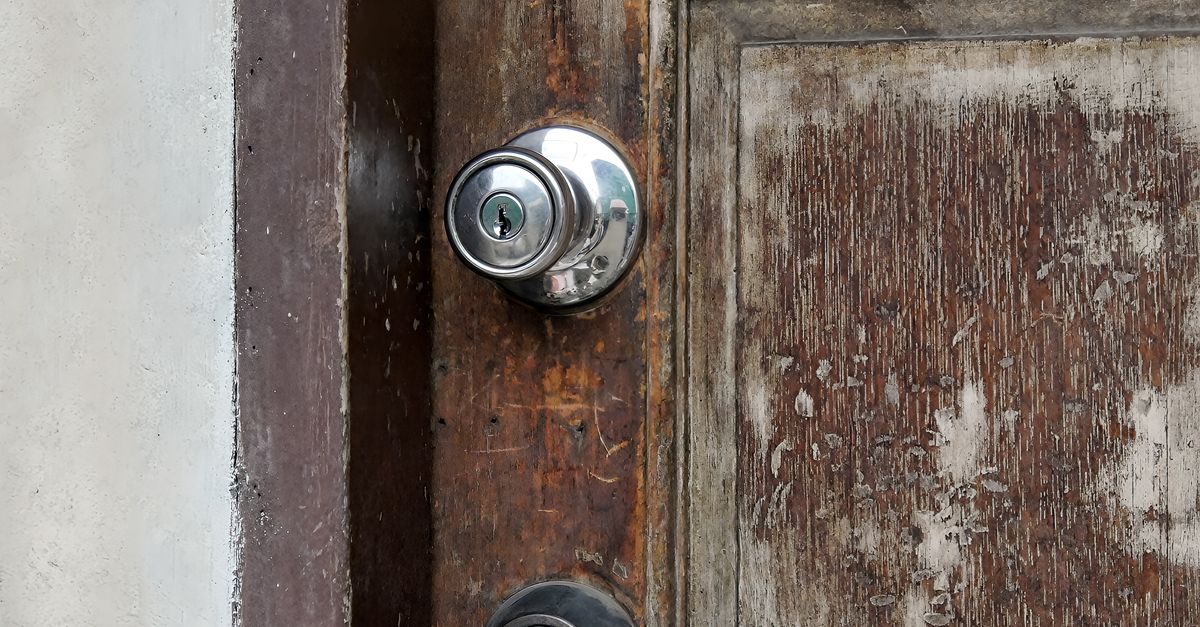
For a door that uses an external door knob with lock and key rather than a lever handle — common on some older properties and some back doors — make sure the cylinder inside that knob is not the only security on the door. A door knob with lock and key on its own provides very limited resistance; it should be paired with a mortice deadlock lower in the door. If you are unsure what you have or what standard it meets, a quick call to our team costs nothing and you will get a straight answer from someone who has seen the inside of locks on doors all across Hornchurch.
Frequently asked questions
What is the difference between a mortice lock and a nightlatch?+
A mortice lock is fitted inside a pocket cut into the door edge and throws a solid steel bolt into the frame when you turn the key — it stays locked until you use the key again. A nightlatch sits on the surface of the door, latches automatically when the door closes, and can be opened from inside without a key. Most UK front doors have both: the nightlatch for everyday convenience and the mortice deadlock for the security level that insurers require.
Do I need a 5 lever mortice lock, or is a 2 lever mortice lock good enough?+
For a front door, a 5 lever mortice lock is strongly recommended and, in most cases, required by UK household insurers. The additional levers make the lock significantly harder to manipulate, and a BS3621-rated 5 lever mortice deadlock is the standard most insurers specify. A 2 lever mortice lock is better suited to internal doors or low-risk outbuildings. If you are unsure what is on your front door, we can check and advise you — call 020 3757 6053.
My key has snapped in the lock. Can the lock be saved, or does it need replacing?+
It depends on the condition of the lock and how much of the key broke off inside. In many cases a skilled locksmith can extract the broken fragment without damaging the mechanism, after which the lock may continue working perfectly well. If the lock is old, stiff, or showing signs of wear, replacement is usually the more reliable long-term solution. We will always assess the situation and tell you honestly which option is appropriate before any work starts, and confirm an exact price up front.
What is a rim cylinder, and when does it need changing?+
A rim cylinder is the barrel that passes through the door and accepts the key for a nightlatch or rim lock. It needs changing when you have lost a key and cannot account for all copies, when you move into a property and do not know how many keys exist, when the cylinder has become stiff or is showing wear, or after any attempted break-in that may have damaged it. Changing just the cylinder is often quicker and less involved than replacing the whole nightlatch unit, though we will advise you on which is appropriate once we see the door.